
Information & Guides
32 articles
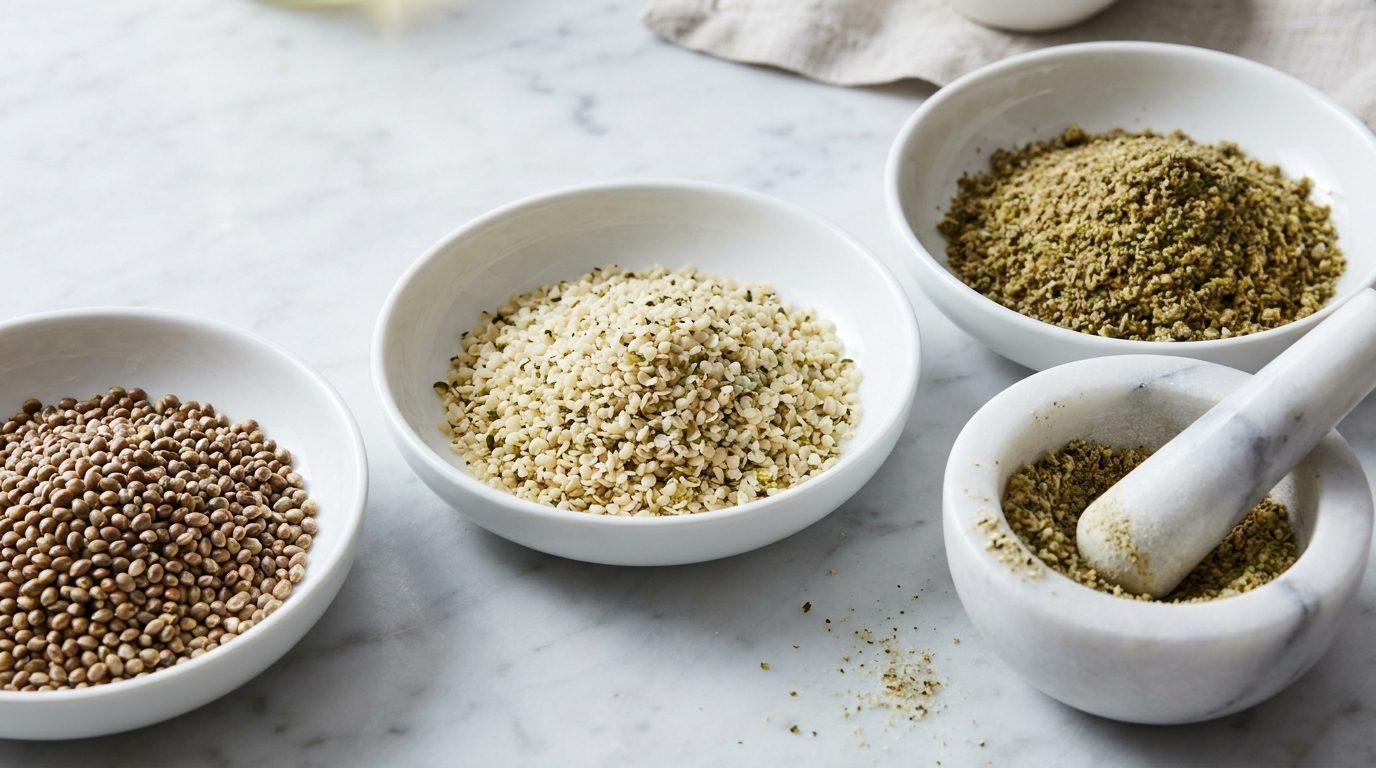
Do You Need to Grind Hemp Seeds, and Can You Eat Them Raw?
Hemp seeds are not flax: you can eat them raw, whole and unground, as long as you chew them. What the hull means for digestion and fibre, daily amounts, and the soaking question.
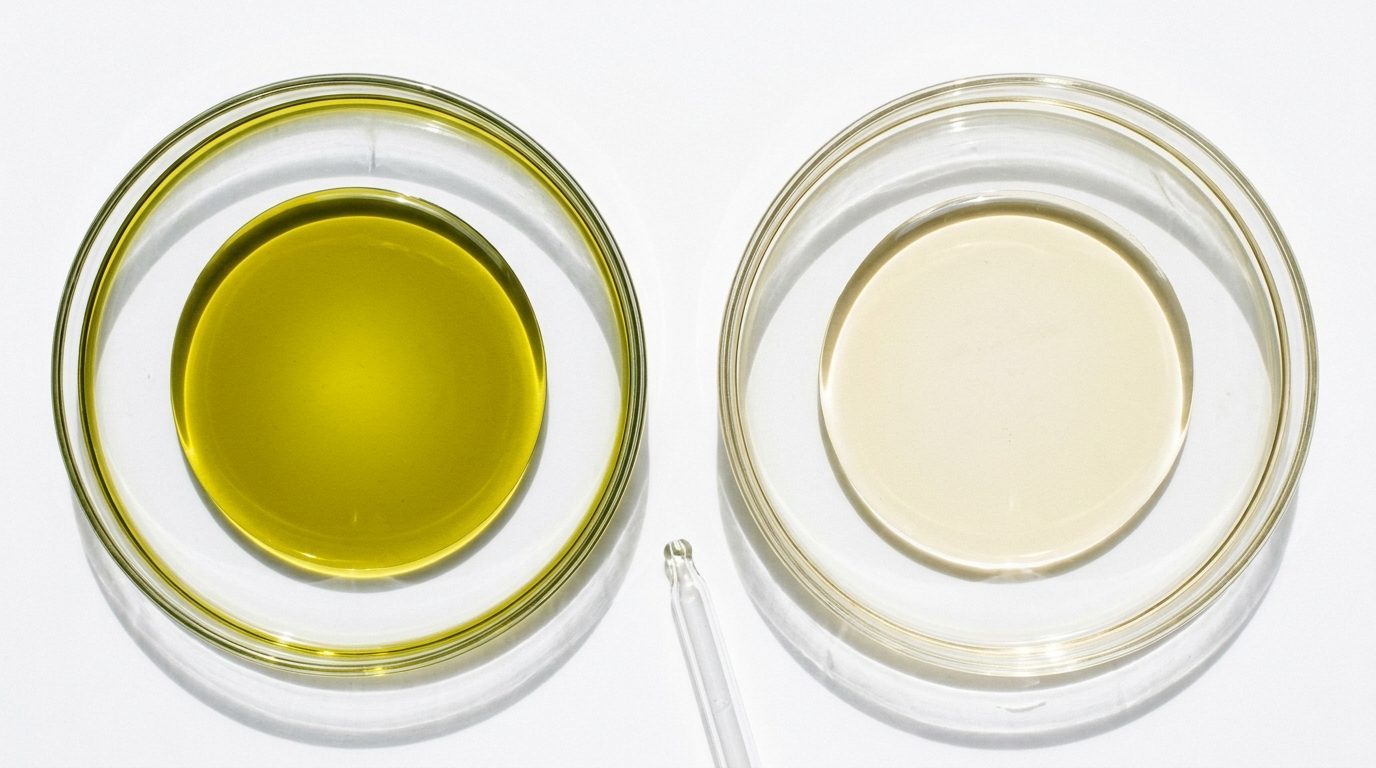
Cold-Pressed, Filtered, Refined: What Processing Does to Hemp Oil
One bottle is deep green and grassy, the next is pale gold and nearly flavourless, and both are honestly labelled. What pressing, filtering and refining actually change about hemp seed oil, and which to buy.
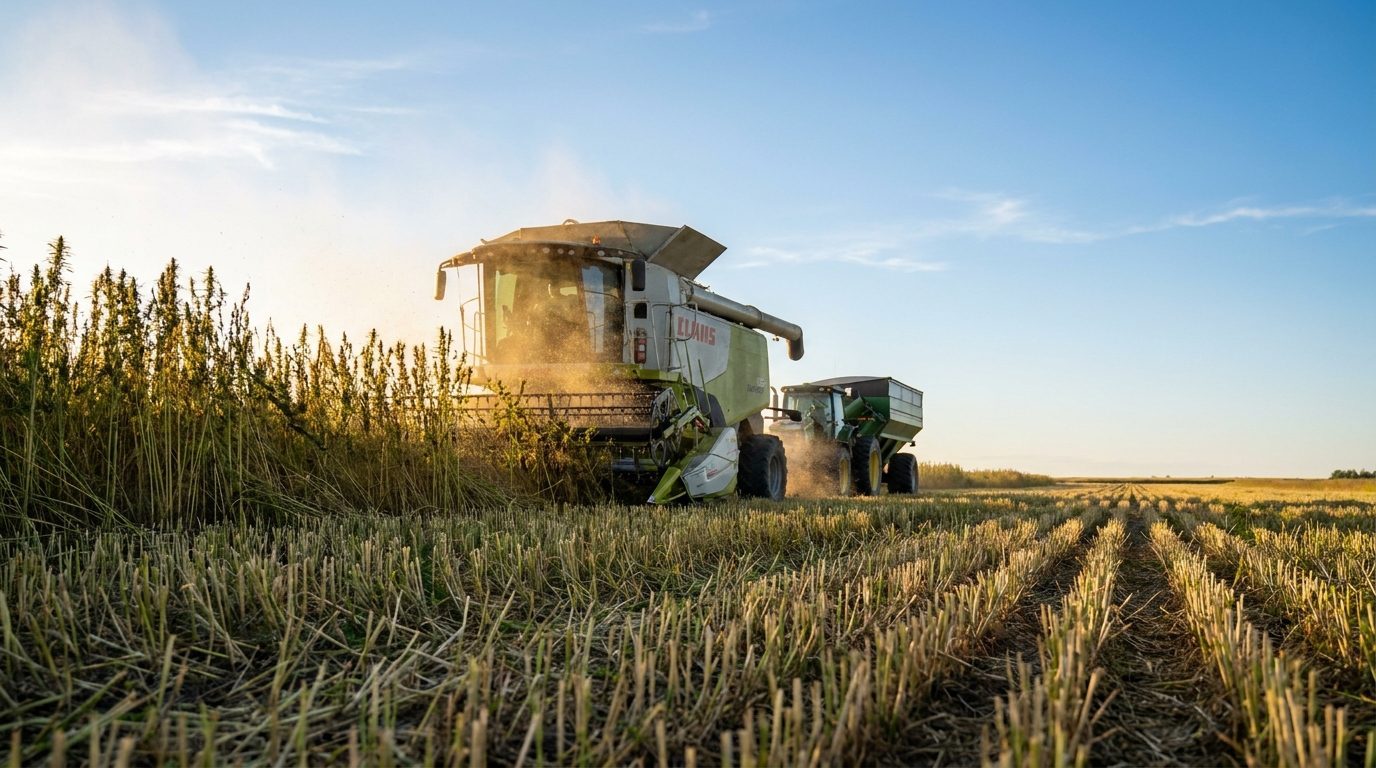
Hemp at Harvest: How the Crop Comes Off the Field
Combining grain at the right moisture, why stalks wrap equipment, field retting for fibre, and the moment one plant splits into two supply chains.
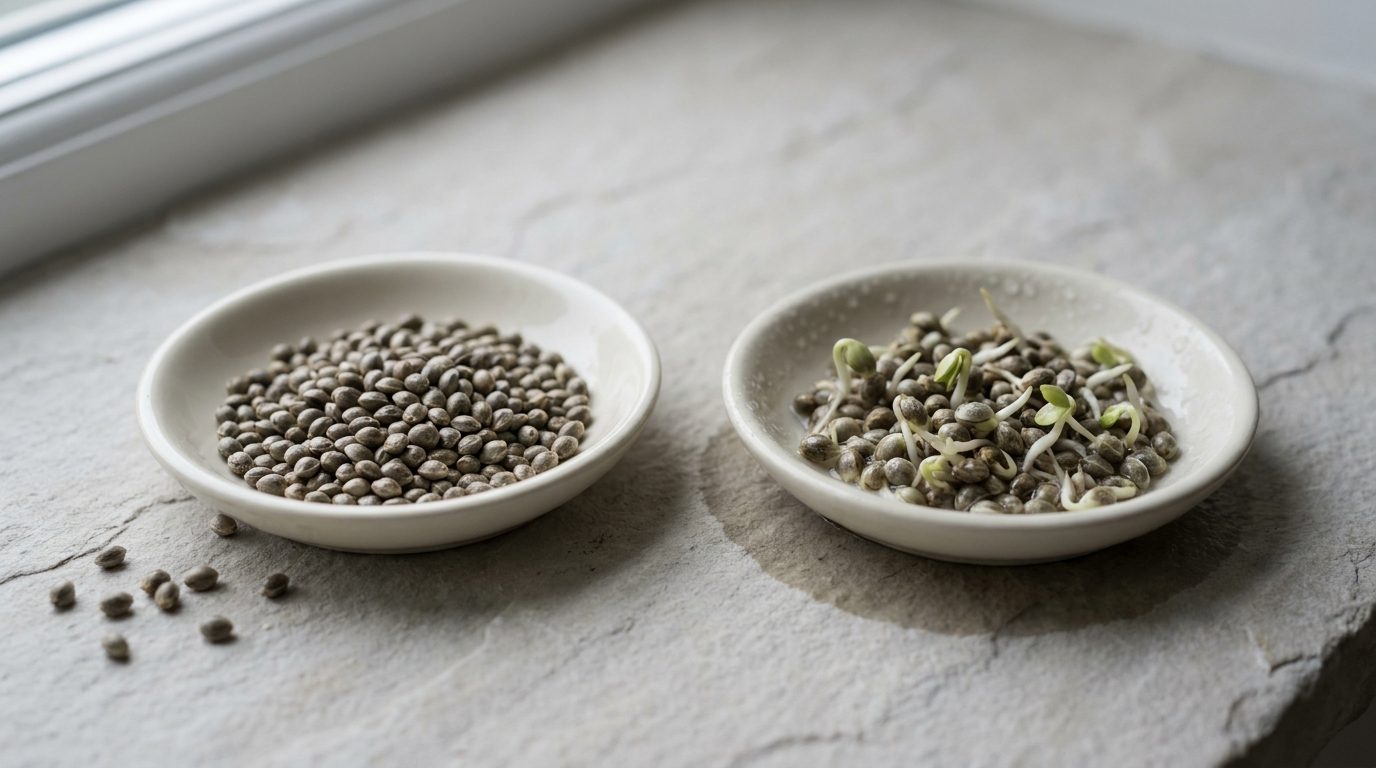
Canada Deregulated the Dead Hemp Seed. It Should Now Free the Living One.
The 2025 hemp reforms drew their line at viability: everything you can make from a dead hemp seed was freed from licensing, and everything requiring a living one was left behind. Sprouting is the only hemp food process that needs the seed alive — which makes it the one food use the reform deliberately stranded.
How Much Hemp Seed Should You Eat in a Day?
The package says three tablespoons, but most regular hemp eaters are well past that. A practical guide to daily amounts, why to ramp up slowly, and the calorie and fat ceilings that actually bind.

I Was in the Room in 1998: What Canada Got Right and Wrong About Hemp
A first-hand account of the Ottawa consultation on Canada's first Industrial Hemp Regulations, what I argued for, what the regulations excluded, and why the real damage came later — from consolidation, not from the rules.
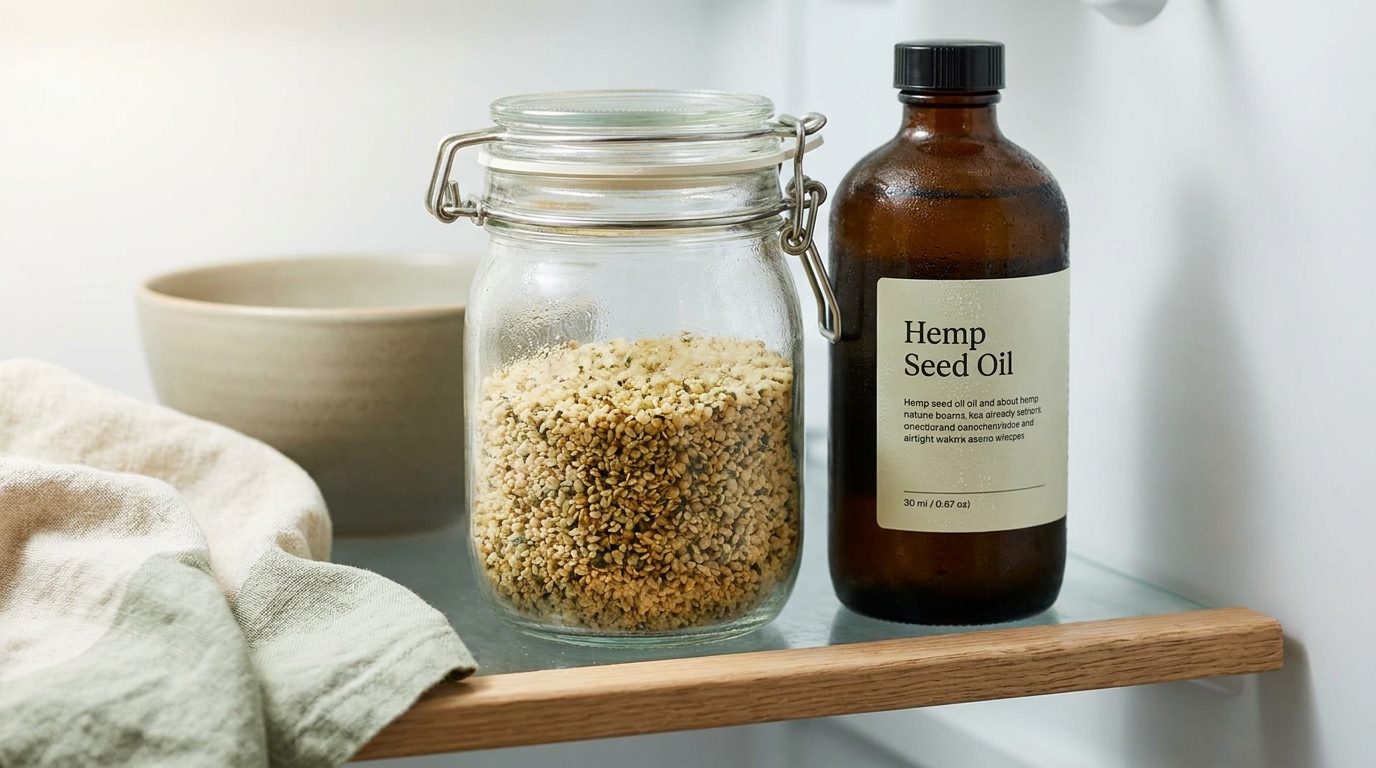
Do Hemp Seeds Go Bad? How to Store Them So They Don't
Yes, hemp seeds go bad: their omega-rich oil oxidizes and turns bitter. Cupboard, fridge and freezer shelf life for hearts, whole seed, oil and protein, whether to refrigerate after opening, freezing, how to tell when a bag has turned, and what happens if you eat expired seeds.
Hemp Myths: 12 Claims Checked Against Evidence
Six fear myths and six marketing myths, each checked: getting high, drug tests, water use, pesticide claims, whey comparisons, omega-3 versus fish, and what hempcrete can and cannot replace.
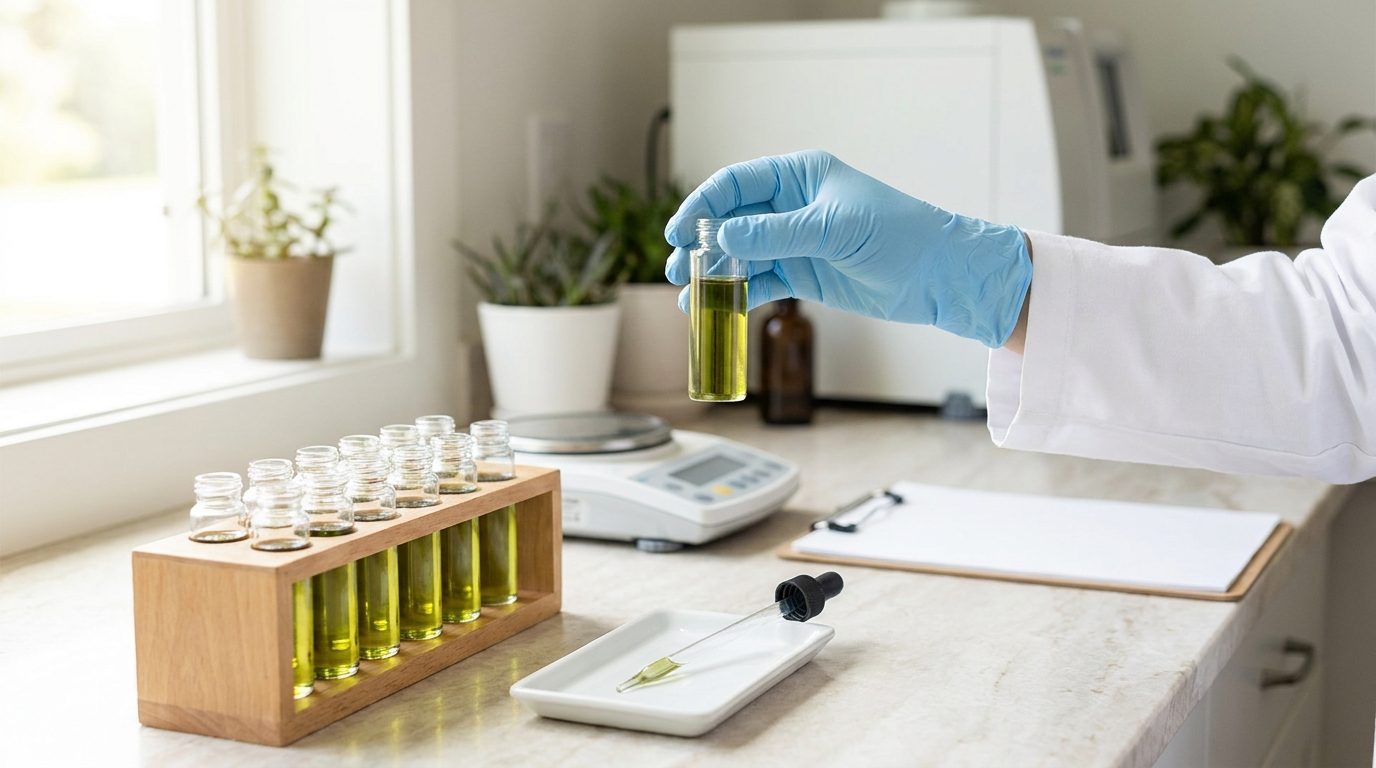
How to Read a Hemp COA (Certificate of Analysis)
The lab report behind a hemp product, decoded: cannabinoid lines, microbiology, heavy metals, what a valid batch number looks like, and the red flags that should end a purchase.